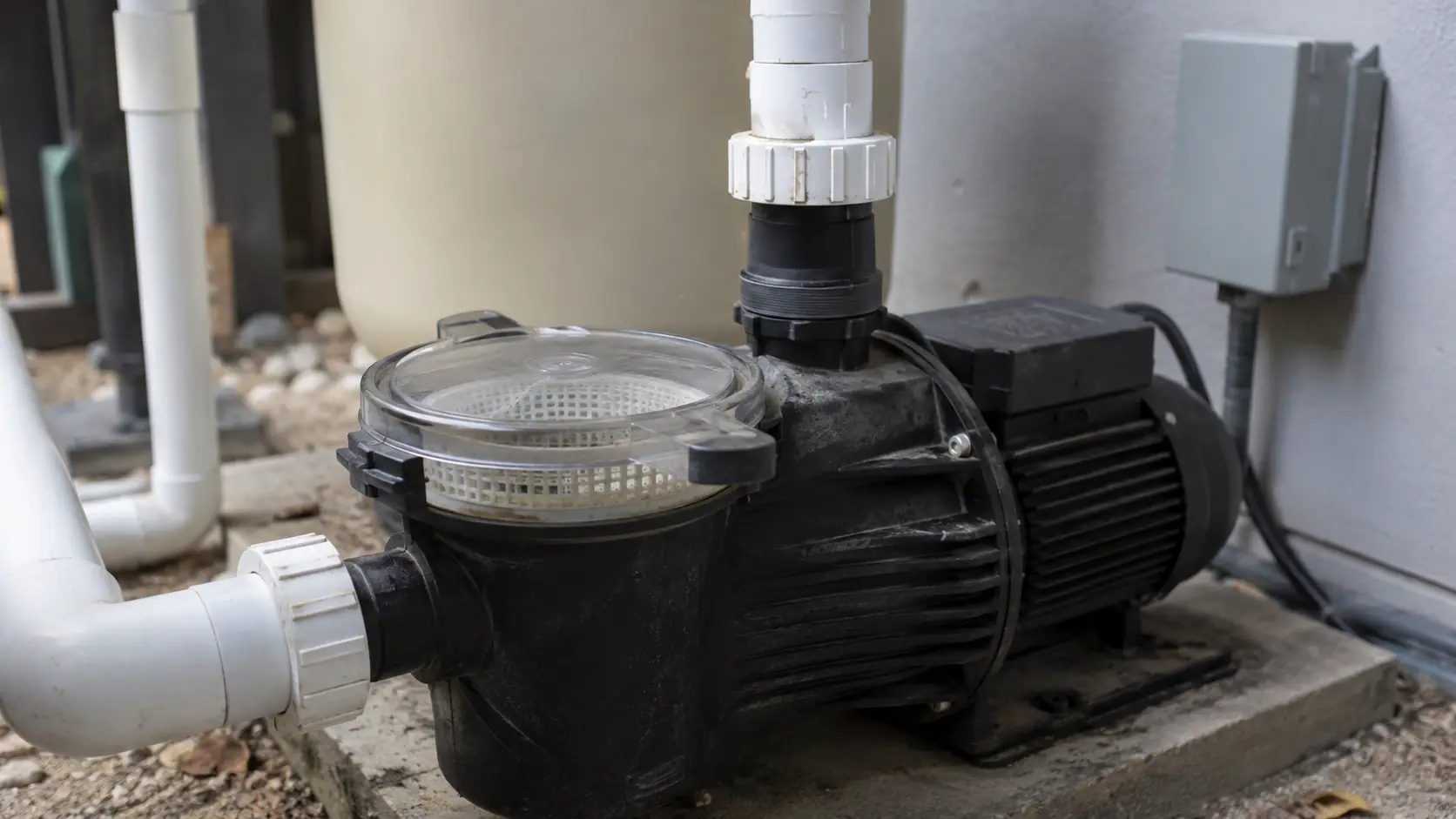
A screech is a motor wearing out. A sound like gravel in a blender is water, and usually free to fix. Telling them apart takes a minute and decides whether you are buying a part, a motor, or nothing at all.
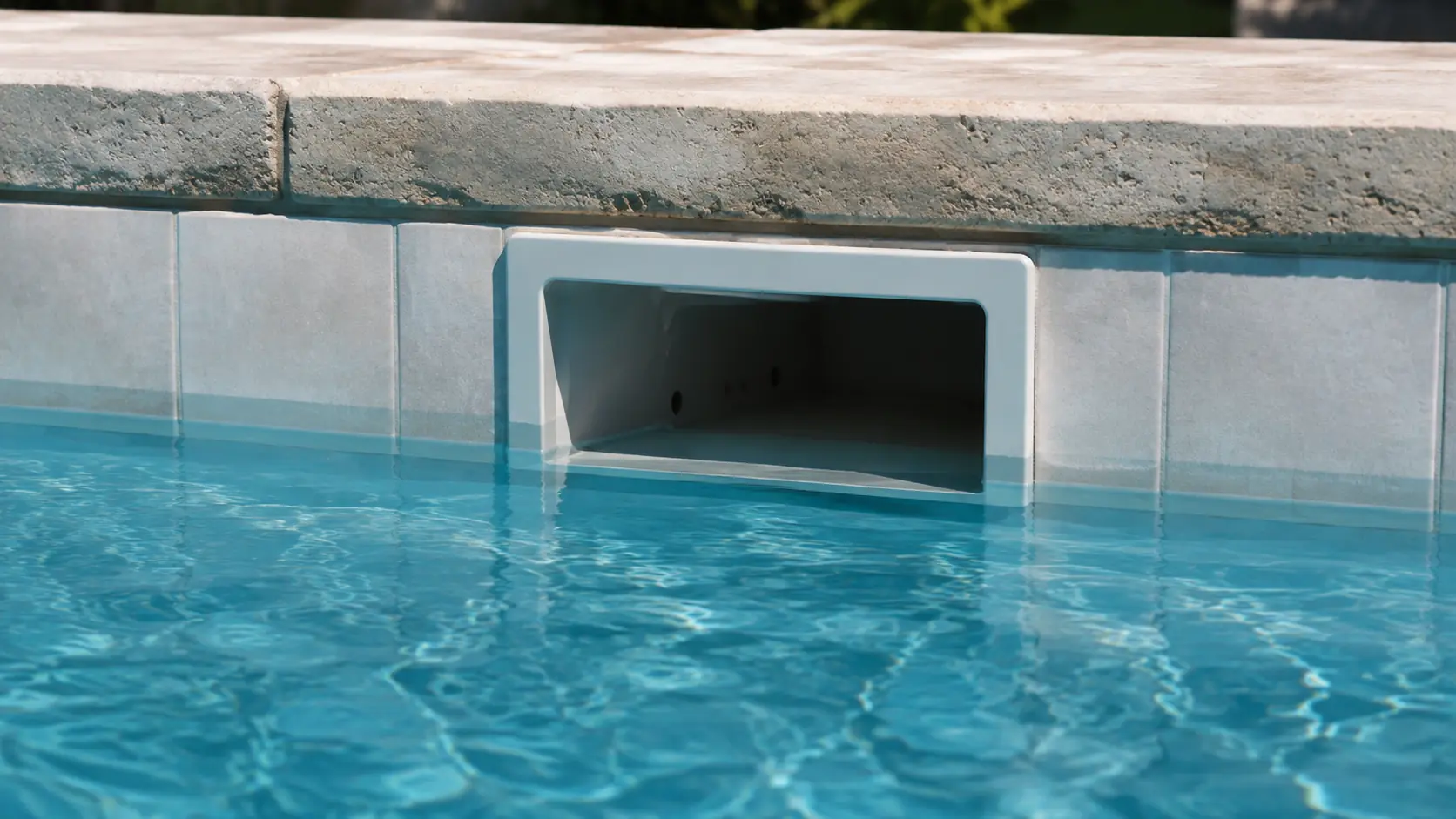
You know the pool is losing water. The next question is worth real money: is it a gasket at the pad, or is it the shell and the buried plumbing? Where the level stops falling is most of the answer.
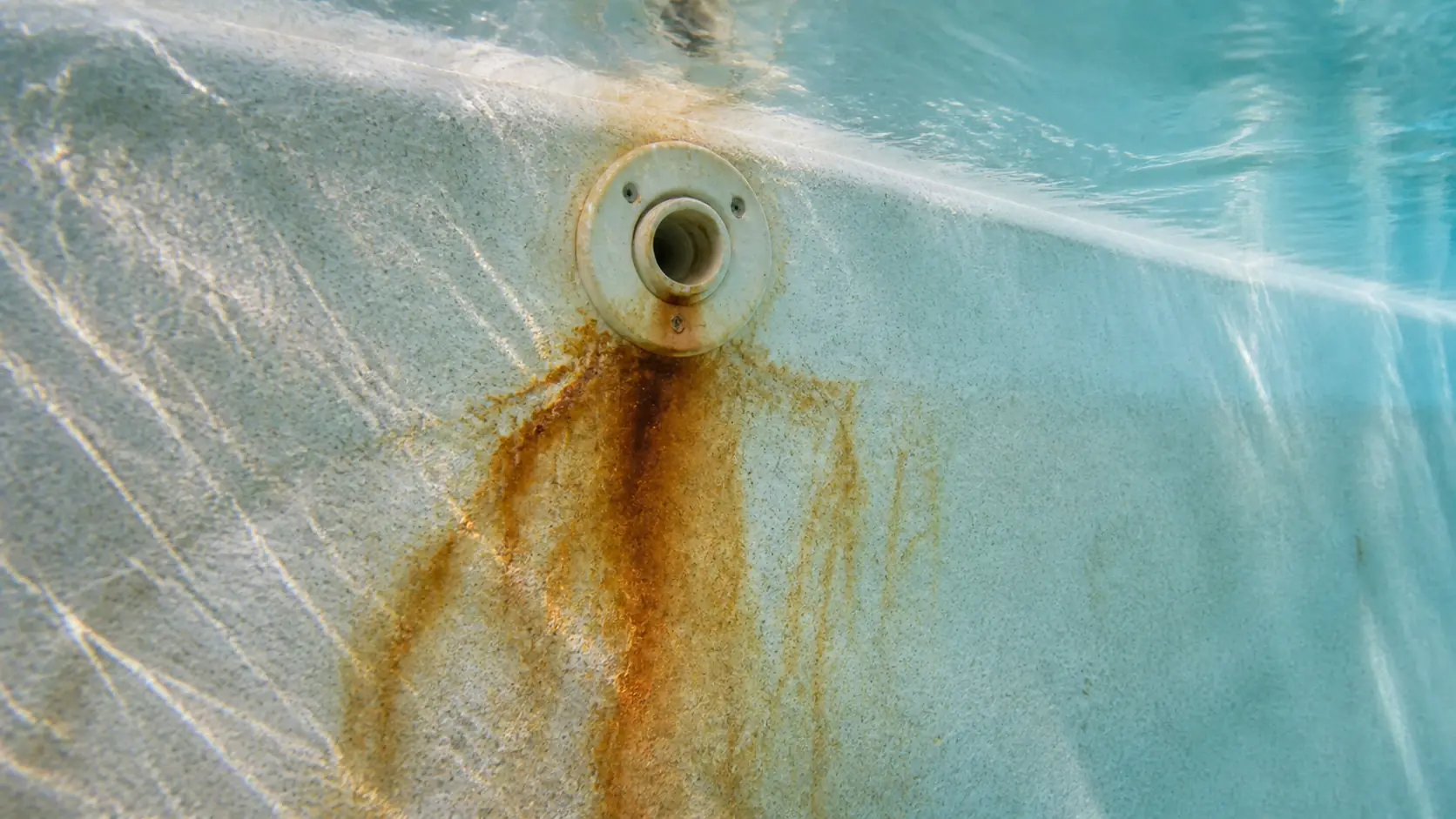
A brown streak under a return and a blue-green shadow by the light are two different problems with two different sources. Identify before you treat, because the wrong move sets the stain permanently.
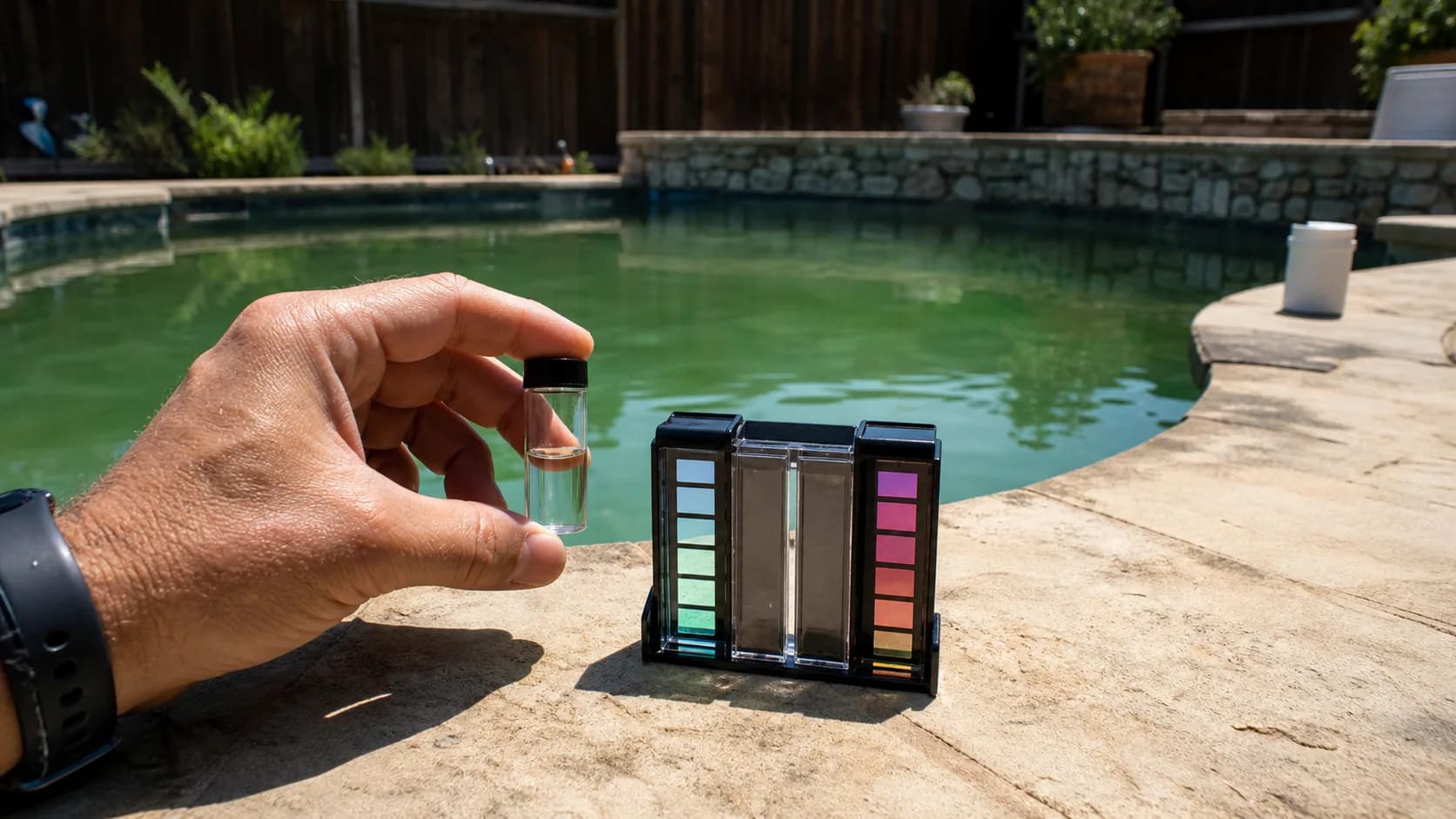
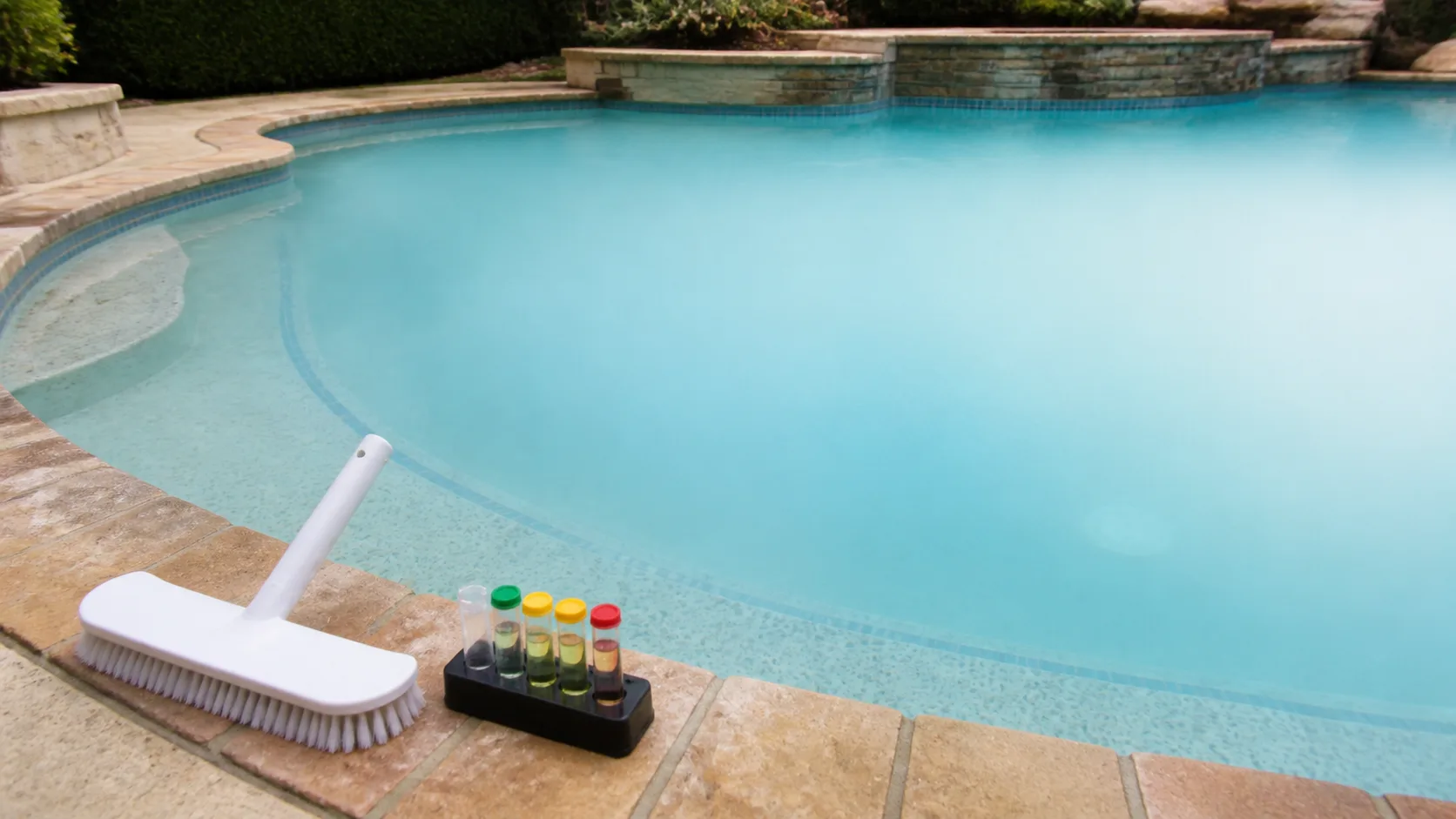
Three parts per million of free chlorine, and the walls still feel slick. The problem isn’t the chlorine number, it’s the number you’re reading it against.
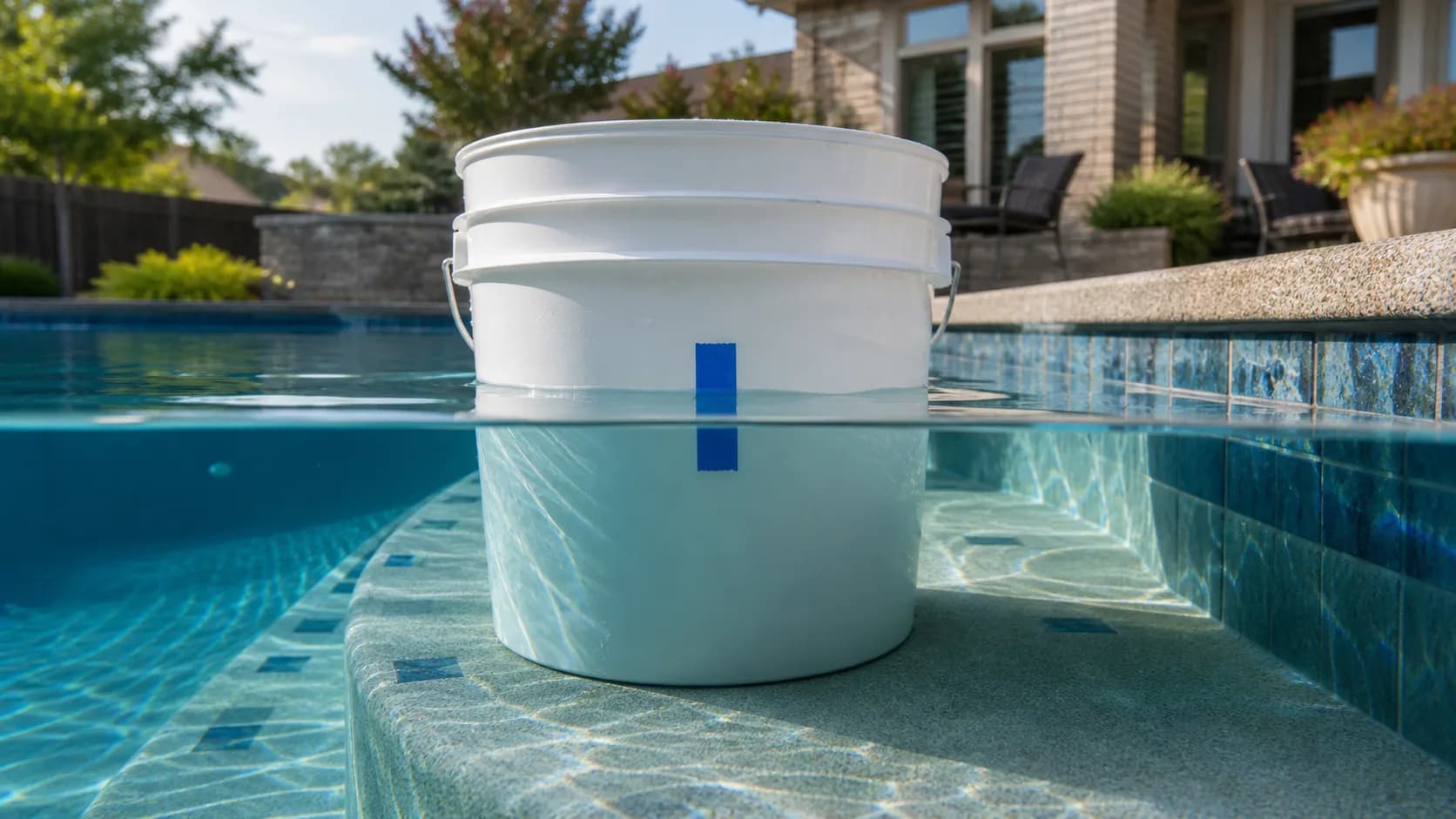
There’s a definitive test for this, it costs nothing, and it takes 24 hours. Here is how to run it, and how the pattern of the loss tells you which part of the system to suspect.
Six different faults produce the same symptom, and the usual response, dumping in more shock, only corrects one of them. Here is how to find out which one you actually have.
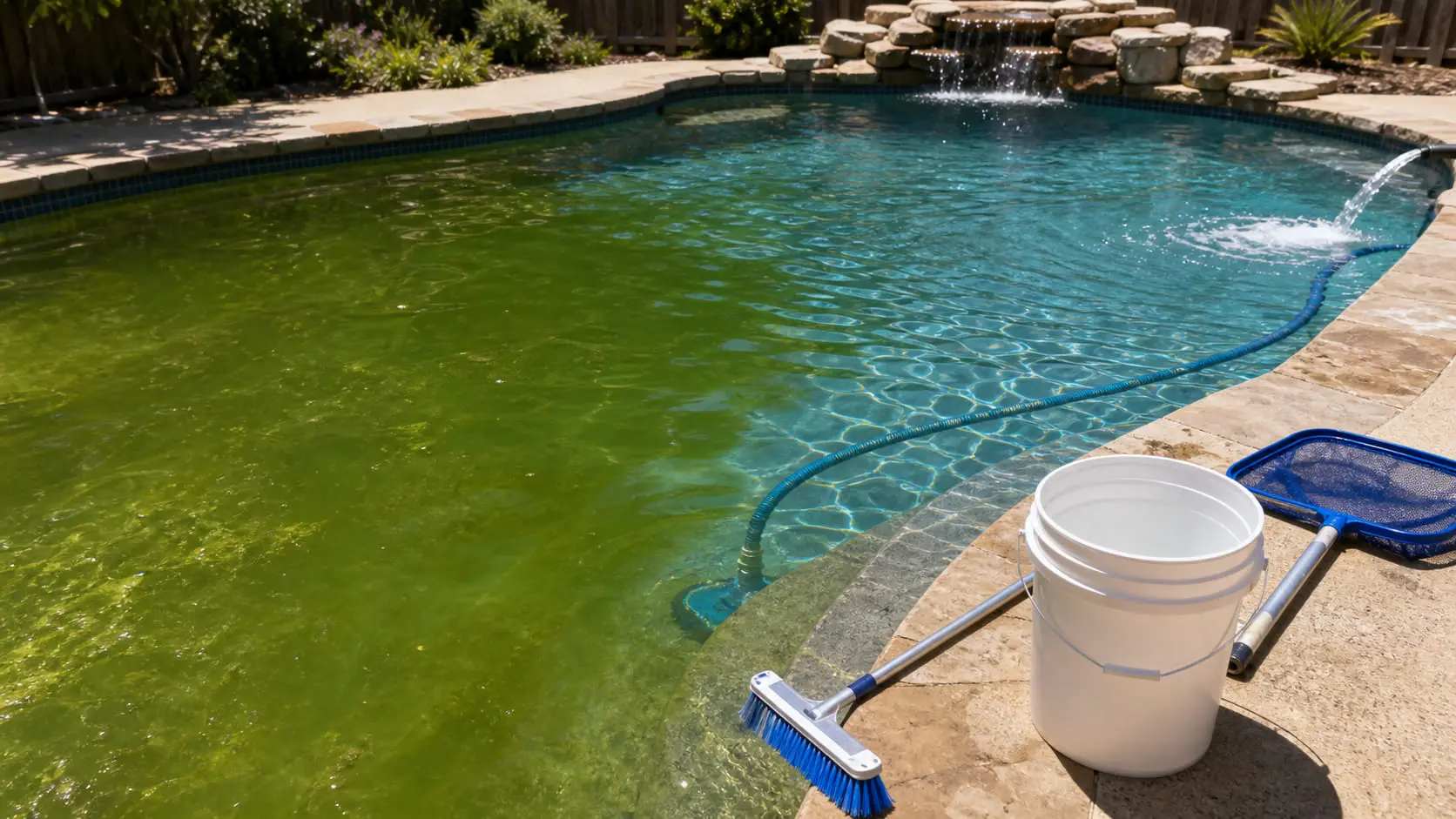
A green pool in July isn’t a mystery, it’s chemistry plus Texas heat. Here is why algae takes over so fast in DFW and the exact steps to clear it back up.
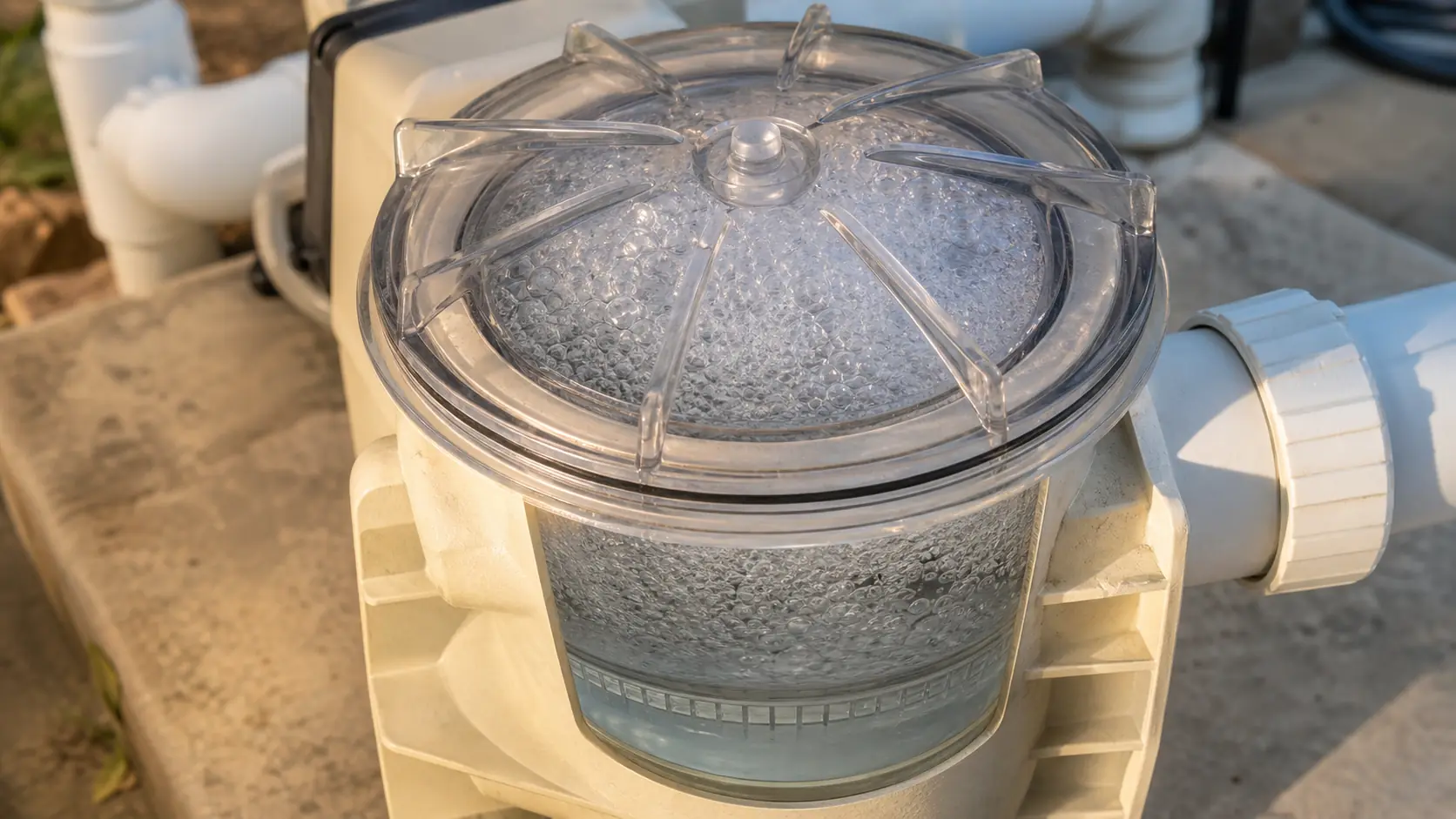
Air only gets in where there’s vacuum, which is only between the pool and the pump impeller. That one fact rules out the filter, the heater, the cell, and every return line.
Treating black algae like green algae wastes a month. Treating mustard algae like green algae clears it for four days and then it returns to the same shaded wall.
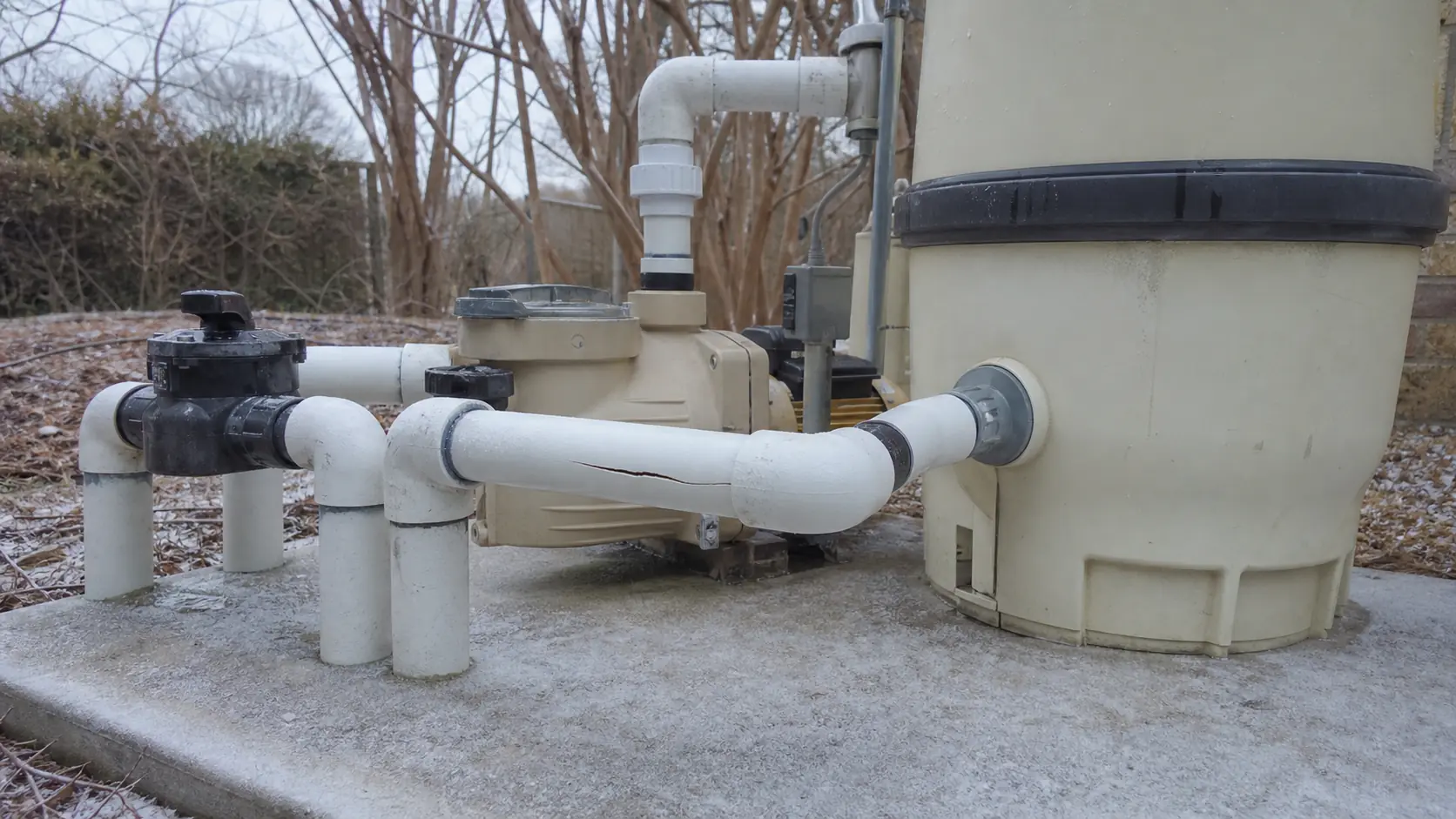
The freeze has passed, everything looks normal, and you want to know whether you got away with it. The most expensive mistake is made in the first hour.
Read the article
Ready to stop thinking about your pool?
True Texan Pools keeps your water swim-ready all year, across Plano and the rest of DFW. Clear pricing, a photo report after every visit, and Austin doing every job himself.